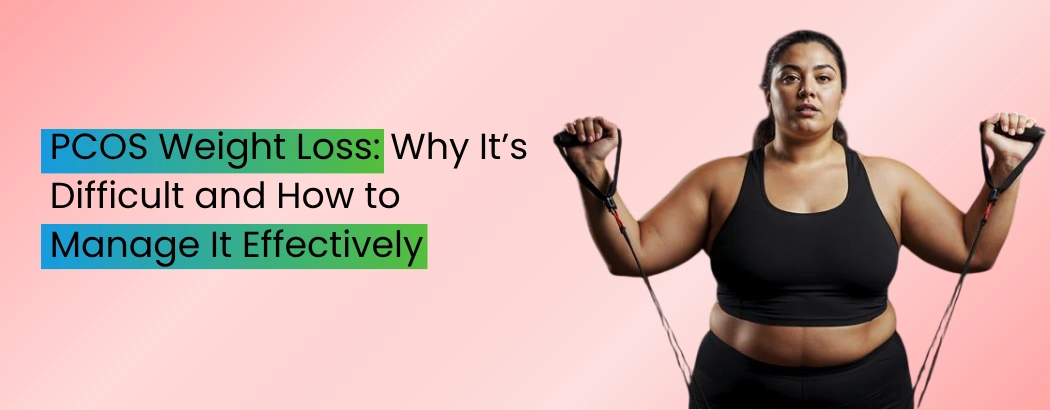
PCOS Weight Loss: Why It’s Difficult and How to Manage It Effectively
Polycystic Ovary Syndrome, commonly known as PCOS, is one of the most common hormonal conditions affecting women today. One of the biggest challenges women with PCOS face is unexplained weight gain and difficulty losing weight, even after following strict diets or regular exercise.
If you have been struggling with stubborn weight that just won’t go away, despite your best efforts, you are not alone. Understanding why this happens and how to manage it properly is the first step toward long-term health and confidence.
What is PCOS and How Does It Affect Your Body?
PCOS is a hormonal disorder where the ovaries produce higher-than-normal levels of androgens, also known as male hormones. This imbalance affects multiple systems in the body, including metabolism, insulin levels, and reproductive health.
Common Symptoms of PCOS
-
Irregular or missed periods
-
Unexplained weight gain
-
Acne and oily skin
-
Hair thinning or hair loss
-
Excess facial or body hair
-
Difficulty in conceiving
While all these symptoms can be distressing, weight gain is often the most frustrating and difficult to manage.
Why is Weight Loss So Difficult in PCOS?
Weight loss in PCOS is not just about calories in and calories out. There are deeper hormonal and metabolic factors involved.
Key Reasons Explained
| Factor | What Happens in PCOS | Impact on Weight |
|---|---|---|
| Hormonal Imbalance | Increased androgens disrupt metabolism | Promotes fat storage, especially in the abdomen |
| Insulin Resistance | Body does not respond well to insulin | Leads to higher fat accumulation |
| Slower Metabolism | Reduced metabolic efficiency | Burns fewer calories at rest |
| Increased Cravings | Blood sugar fluctuations | Leads to overeating |
| Chronic Inflammation | Low-grade inflammation in the body | Makes fat loss harder |
👉 This is why traditional dieting methods often fail for women with PCOS.
The Hidden Risks of Ignoring PCOS Weight Gain
Many women tend to ignore early signs of PCOS, especially weight gain, thinking it is just lifestyle-related. However, untreated PCOS can lead to serious long-term health issues.
Potential Risks Include
-
Infertility or difficulty in conceiving
-
Type 2 diabetes
-
High blood pressure
-
Thyroid disorders
-
Severe acne and skin problems
-
Depression and anxiety
-
Increased risk of heart disease
👉 Ignoring PCOS does not just affect your weight, it impacts your overall health and quality of life.
Why Normal Diet and Exercise Don’t Always Work
You may have tried:
-
Cutting calories
-
Doing intense workouts
-
Following trending diets
But still saw little or no results.
H3: Here’s Why
| Traditional Approach | Why It Fails in PCOS |
|---|---|
| Crash Diets | Slows metabolism further |
| Excess Cardio | Increases stress hormones |
| Skipping Meals | Worsens insulin resistance |
| Random Diet Plans | Not tailored to hormonal needs |
👉 PCOS requires a targeted and medically guided approach, not generic weight loss methods.
Effective Ways to Manage Weight in PCOS
The good news is that weight loss is possible with the right strategy. It requires a combination of lifestyle changes and medical support.
1. PCOS-Friendly Diet Plan
A balanced and sustainable diet is key to managing PCOS.
Focus on:
-
High protein foods (eggs, paneer, lean meat)
-
Fiber-rich vegetables
-
Low glycemic index foods
-
Healthy fats (nuts, seeds, olive oil)
Avoid:
-
Processed foods
-
Sugary drinks
-
Refined carbohydrates
2. Smart Exercise Routine
Exercise should be consistent and balanced.
Best options include:
-
Strength training (improves metabolism)
-
Brisk walking (30–45 minutes daily)
-
Yoga (helps reduce stress and balance hormones)
👉 Over-exercising can actually worsen PCOS symptoms, so balance is important.
Lifestyle Changes That Matter
Small habits can create a big impact.
-
Maintain a regular sleep cycle
-
Reduce stress levels
-
Stay hydrated
-
Avoid smoking and alcohol
Medical Treatment and Expert Guidance
While lifestyle changes help, medical support is often necessary for effective and long-term results.
At Minnerva Clinic, treatment for PCOS is designed to address the root cause, not just the symptoms.
Treatment approach may include:
-
Hormonal evaluation and diagnosis
-
Personalized diet and lifestyle planning
-
Medication to manage insulin resistance
-
Treatment for menstrual irregularities
-
Long-term health monitoring
👉 A customized plan ensures better and sustainable results compared to self-treatment.
Why Early Treatment is Important
Delaying treatment can make PCOS harder to manage over time.
Benefits of Early Intervention
-
Easier weight management
-
Improved hormonal balance
-
Better fertility outcomes
-
Reduced long-term health risks
When Should You Consult a Doctor?
You should consider seeking expert advice if you experience:
-
Sudden or unexplained weight gain
-
Irregular or missed periods
-
Difficulty losing weight despite effort
-
Acne, hair fall, or excess hair growth
-
Planning pregnancy with PCOS
👉 Early consultation can prevent complications and improve outcomes.
Frequently Asked Questions (FAQs)
1. Can women with PCOS lose weight?
Yes, with the right combination of diet, exercise, and medical support, weight loss is possible.
2. How long does it take to lose weight in PCOS?
It varies from person to person, but consistent efforts usually show results within a few months.
3. Is medication necessary for PCOS weight loss?
In many cases, medication helps manage insulin resistance and hormonal imbalance, making weight loss easier.
4. Can PCOS be cured permanently?
PCOS cannot be completely cured, but it can be effectively managed with proper treatment and lifestyle changes.
Final Thoughts
PCOS-related weight gain is not just a cosmetic concern. It is a sign of underlying hormonal imbalance that requires proper attention and care.
Ignoring the condition can lead to serious health issues, but with the right guidance, it is absolutely manageable.
If you are struggling with PCOS weight gain and not seeing results despite your efforts, it may be time to take a more structured and medically guided approach.
👉 Consulting an expert can help you understand your body better and create a plan that actually works for you.