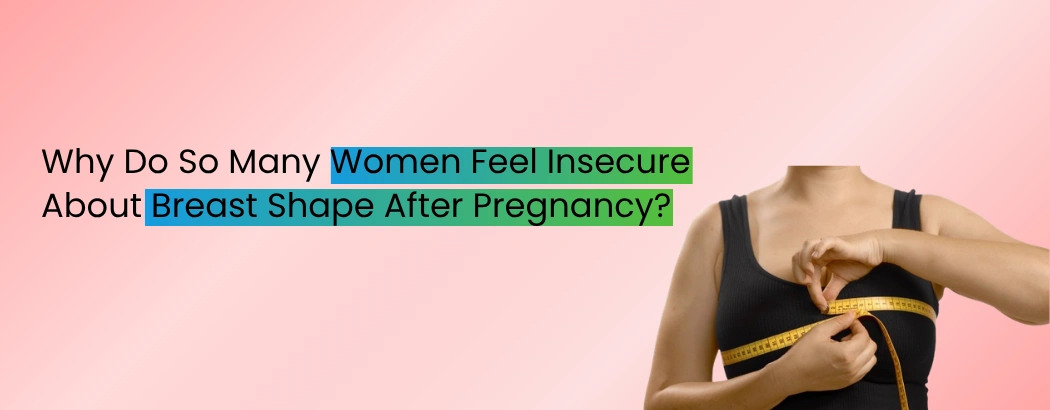
Why Do So Many Women Feel Insecure About Breast Shape After Pregnancy?
Pregnancy is one of the most transformative experiences in a woman’s life. It changes priorities, routines, emotions, and, perhaps most noticeably, the body. While stretch marks and weight fluctuations are openly discussed, one topic often remains unspoken: the way pregnancy and breastfeeding can change breast shape.
Many women expect their breasts to become fuller during pregnancy, but few are prepared for what happens after childbirth and breastfeeding. The fullness may reduce, the skin may feel looser, the nipples may appear different, or the breasts may lose their previous symmetry. These changes are completely normal, yet they can leave women feeling unfamiliar with their own reflection.
For some, these changes are minor and easy to accept. For others, they can affect confidence, clothing choices, and overall body image. The emotional impact is often underestimated because society tends to focus on the joy of motherhood while overlooking the physical recovery that follows.
Understanding why these changes happen and knowing that they are common can help women make informed decisions about their health, appearance, and self-confidence.
Why Does Breast Shape Change After Pregnancy?
The breasts undergo remarkable changes during pregnancy to prepare for breastfeeding. Hormonal fluctuations cause the milk-producing glands to enlarge, blood supply increases, and fatty tissue redistributes. As a result, breasts often become larger and heavier.
After breastfeeding ends, the milk-producing tissue gradually shrinks. However, the skin and supporting ligaments that stretched during pregnancy may not completely return to their previous state. This can lead to changes such as:
-
Loss of upper fullness
-
Mild or significant sagging
-
Reduced volume
-
Changes in nipple position
-
Differences in breast symmetry
These changes are a natural consequence of pregnancy and aging rather than a sign that something is wrong.
The Emotional Side That Few People Discuss
For many women, the concern is not about size but about identity. They remember how their body looked before pregnancy and struggle to adjust to the changes afterward.
Some avoid fitted clothing or swimsuits. Others become self-conscious during intimate moments or feel less confident in photographs. Social media can make these feelings worse by presenting unrealistic expectations of "bouncing back" immediately after childbirth.
The reality is that every woman’s body responds differently, and comparing yourself to edited images or celebrity transformations is rarely helpful.
Is Breastfeeding the Only Reason?
Contrary to popular belief, breastfeeding is not always the primary cause of breast shape changes. Pregnancy itself plays a major role.
Factors that influence post-pregnancy breast appearance include:
-
Genetics
-
Age
-
Skin elasticity
-
Number of pregnancies
-
Weight fluctuations
-
Hormonal changes
-
Smoking
-
Overall health
Many women who never breastfeed still notice changes in breast shape simply because pregnancy affects breast tissue and skin.
Weight Loss Can Also Affect Breast Volume
After childbirth, many mothers focus on returning to their pre-pregnancy weight. While healthy weight loss offers numerous benefits, it can also reduce fat within the breasts.
Because breast tissue contains both glandular tissue and fat, losing weight may make the breasts appear smaller or less full than before. Rapid weight fluctuations can also affect skin elasticity, making changes more noticeable.
Why Some Women Feel More Insecure Than Others
Body image is deeply personal. Two women with similar physical changes may have completely different emotional responses.
Confidence may be influenced by:
-
Personal expectations
-
Cultural standards of beauty
-
Previous body image concerns
-
Relationship dynamics
-
Clothing preferences
-
Social influences
Feeling emotional about these changes does not mean someone is ungrateful for motherhood. It simply reflects the natural adjustment to a body that has undergone an extraordinary transformation.
The Importance of Realistic Expectations
Many women believe their body should return exactly to how it looked before pregnancy. Unfortunately, this expectation can create unnecessary disappointment.
The body often changes permanently after childbirth, but permanent does not mean unhealthy or unattractive. Every stretch mark, contour change, and scar tells part of a personal story.
At the same time, it is also perfectly reasonable for a woman to want to restore or improve aspects of her appearance if those changes affect her confidence.
Can Exercise Restore Breast Shape?
Exercise strengthens the chest muscles underneath the breasts and improves posture, which may enhance overall appearance.
However, exercise cannot tighten stretched skin or restore lost breast volume because the breast itself contains very little muscle tissue.
Maintaining a healthy lifestyle supports overall wellness but may not completely reverse structural changes caused by pregnancy.
Non-Surgical Options
Depending on individual concerns, some women may benefit from non-surgical approaches aimed at improving skin quality and overall appearance.
These may include:
-
Medical-grade skincare
-
Collagen-supporting treatments
-
Healthy nutrition
-
Strength training
-
Weight management
-
Properly fitted supportive bras
While these strategies may not dramatically alter breast shape, they can contribute to improved confidence and body comfort.
When Surgical Options May Be Considered
Some women continue feeling dissatisfied despite lifestyle changes and may explore surgical procedures after completing their families.
Potential options may include:
-
Breast lift procedures
-
Breast augmentation
-
Breast reduction
-
Combination procedures tailored to individual anatomy
The goal of modern breast surgery is not to create an artificial appearance but to restore proportion, balance, and harmony while respecting each woman's natural body shape.
A thorough consultation with a qualified surgeon is essential to discuss expectations, timing, and suitability.
Timing Matters
Women considering breast enhancement or lifting after pregnancy are often advised to wait until:
-
Breastfeeding has completely stopped
-
Hormonal changes have stabilized
-
Weight has remained relatively stable
-
Family planning decisions have been considered
Allowing the body adequate time to recover naturally can improve both surgical planning and long-term outcomes.
The Role of Mental Well-Being
Physical recovery after pregnancy should be accompanied by emotional recovery as well.
If body image concerns begin affecting relationships, self-esteem, or daily life, discussing these feelings with trusted healthcare professionals or loved ones can be helpful.
Confidence comes from many sources, including health, relationships, achievements, and self-acceptance. Cosmetic procedures may support confidence, but they should complement emotional well-being rather than replace it.
Frequently Asked Questions
Is it normal for breasts to sag after pregnancy?
Yes. Changes in skin elasticity, breast tissue, and hormonal fluctuations commonly affect breast shape after pregnancy and breastfeeding.
Can breasts return to exactly how they looked before pregnancy?
Some women experience minimal changes, while others notice lasting differences. Every body responds differently.
Does breastfeeding permanently ruin breast shape?
Not necessarily. Pregnancy itself contributes significantly to breast changes, and genetics, age, and weight fluctuations also play major roles.
Can creams or exercises restore lost breast volume?
Creams and exercise may improve skin health and posture but cannot replace lost breast tissue or significantly alter breast shape.
Is it wrong to feel insecure about post-pregnancy changes?
No. Many women experience mixed emotions about their changing bodies. Acknowledging those feelings while seeking balanced information and support is entirely reasonable.
Embracing Change While Exploring Choices
Motherhood changes lives in extraordinary ways, and it often changes bodies too. While these physical transformations are natural, they can still affect confidence and self-image.
The important thing to remember is that there is no "correct" way to feel about your post-pregnancy body. Some women embrace every change, while others choose lifestyle measures or medical procedures to address concerns that matter to them.
The best decision is always an informed one, made for yourself rather than for external expectations.
At Minnerva Clinic, the focus is on personalized care, honest conversations, and helping women understand all available options so they can make choices that align with their goals, health, and confidence.
Your body has accomplished something remarkable. Whatever path you choose afterward should reflect your own comfort, priorities, and sense of well-being.