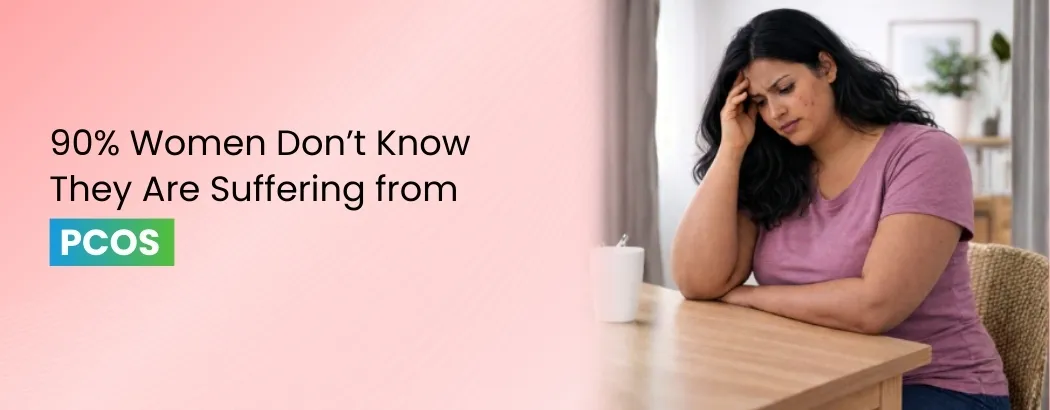
90% Women Don’t Know They Are Suffering from PCOS
Polycystic Ovary Syndrome (PCOS) is one of the most common hormonal disorders affecting women today. Yet, shockingly, around 90% of women living with PCOS remain undiagnosed for years. Many consider the symptoms “normal,” while others are never told that their everyday struggles could be linked to a hormonal imbalance.
Irregular periods, acne, unwanted facial hair, weight gain, and mood swings are often ignored or treated separately. But when connected, they tell a deeper story: PCOS is silently affecting millions of women worldwide.
This blog will help you understand what PCOS is, why so many women don’t know they have it, the symptoms to watch out for, and how PCOS can be managed with the right lifestyle and medical support.
What Is PCOS?
PCOS (Polycystic Ovary Syndrome) is a hormonal condition in which a woman’s ovaries produce higher than normal levels of androgens (male hormones). This hormonal imbalance interferes with ovulation and affects multiple systems in the body.
Despite the name, not all women with PCOS have ovarian cysts. PCOS is more about hormones and metabolism than just ovaries.
PCOS Commonly Affects:
-
Menstrual cycle
-
Hormone balance
-
Skin and hair health
-
Weight and metabolism
-
Fertility and mental health
Why 90% Women Don’t Know They Have PCOS
One of the biggest challenges with PCOS is that its symptoms develop slowly and silently. Many women adapt to these changes without realizing something is wrong.
Main Reasons for Late or Missed Diagnosis:
-
Symptoms are mistaken for normal female issues.
-
Period problems are ignored or normalized
-
Doctors treat symptoms individually, not holistically
-
Lack of awareness and education
-
PCOS symptoms vary from woman to woman
Because PCOS doesn’t look the same in everyone, it often goes unnoticed until fertility issues or severe hormonal problems arise.
Common PCOS Symptoms Most Women Ignore
PCOS symptoms can appear during teenage years or later in adulthood. Many women experience only a few signs and assume they are harmless.
Physical Symptoms
-
Irregular or missed periods
-
Sudden or unexplained weight gain
-
Acne that doesn’t respond to treatment
-
Excess facial or body hair (chin, upper lip, chest)
-
Hair thinning or hair fall
Internal & Hormonal Symptoms
-
Difficulty in losing weight
-
Fatigue and low energy
-
Insulin resistance
-
Sugar cravings
Mental & Emotional Symptoms
-
Mood swings
-
Anxiety and depression
-
Low self-confidence
PCOS Symptoms vs Normal Hormonal Changes
|
Normal Hormonal Changes |
PCOS-Related Symptoms |
|
Slight period delay |
Frequently missed periods |
|
Occasional acne |
Persistent, severe acne |
|
Mild weight fluctuation |
Rapid weight gain |
|
Temporary stress |
Long term fatigue & mood issues |
|
Normal hair growth |
Excess facial/body hair |
What Causes PCOS?
PCOS does not have a single cause. Instead, it develops due to a combination of hormonal, genetic, and lifestyle factors.
Major Causes of PCOS
-
Hormonal imbalance (high androgens)
-
Insulin resistance
-
Family history of PCOS
-
Chronic stress
-
Poor lifestyle and diet
Insulin resistance plays a major role. When the body doesn’t use insulin properly, it leads to higher insulin levels, which trigger excess androgen production, worsening PCOS symptoms.
How PCOS Affects Daily Life
PCOS doesn’t just affect periods or fertility; it impacts overall quality of life.
Daily Challenges Women Face:
-
Difficulty maintaining a healthy weight
-
Skin and hair issues affecting confidence
-
Irregular energy levels
-
Emotional stress and anxiety
-
Fear related to fertility and pregnancy
Over time, untreated PCOS can increase the risk of:
-
Type 2 diabetes
-
Heart disease
-
High cholesterol
-
Endometrial issues
Does PCOS Affect Fertility?
Yes, PCOS can affect fertility, but it does not mean infertility.
PCOS interferes with ovulation, making it harder to conceive naturally. However, with early diagnosis and proper treatment, many women with PCOS conceive successfully.
Fertility Facts:
-
Many women ovulate irregularly, not always
-
Lifestyle changes can restore ovulation
-
Medical treatments are highly effective
-
Early diagnosis improves fertility outcomes
How PCOS Is Diagnosed
There is no single test for PCOS. Doctors usually rely on a combination of factors.
Diagnosis Includes:
-
Medical history and symptom review
-
Blood tests (hormone levels)
-
Ultrasound (ovaries)
-
Menstrual cycle tracking
Early diagnosis can prevent long-term complications.
Can PCOS Be Managed Naturally?
PCOS cannot be cured, but it can be effectively managed. Many women experience major improvement through lifestyle changes alone.
Natural Management Methods
-
Balanced diet
-
Regular exercise
-
Stress management
-
Quality sleep
-
Weight management
Consistency is key. Small daily habits make a big difference.
Best Diet Tips for PCOS
A PCOS-friendly diet focuses on blood sugar balance and reducing inflammation.
Foods to Include
-
Whole grains
-
Vegetables and leafy greens
-
Lean protein
-
Healthy fats
-
Low glycemic fruits
Foods to Limit
-
Refined sugar
-
Processed foods
-
White bread and bakery items
-
Sugary drinks
Lifestyle Changes That Help PCOS
Simple lifestyle shifts can significantly reduce symptoms.
Helpful Habits
-
30 minutes of daily movement
-
Strength training + walking
-
Stress-reducing activities (yoga, meditation)
-
7–8 hours of sleep
-
Regular health checkups
Medical Treatment Options
Depending on symptoms, doctors may suggest:
-
Hormonal regulation medicines
-
Insulin sensitizing drugs
-
Acne or hair-growth treatments
-
Fertility support (if needed)
Treatment is personalized, not one-size-fits-all.
Why Awareness Is the First Step
The biggest danger of PCOS is not the condition itself but not knowing you have it.
When women are aware:
-
Symptoms are recognized early
-
Lifestyle changes start sooner
-
Long term risks are reduced
-
Mental health improves