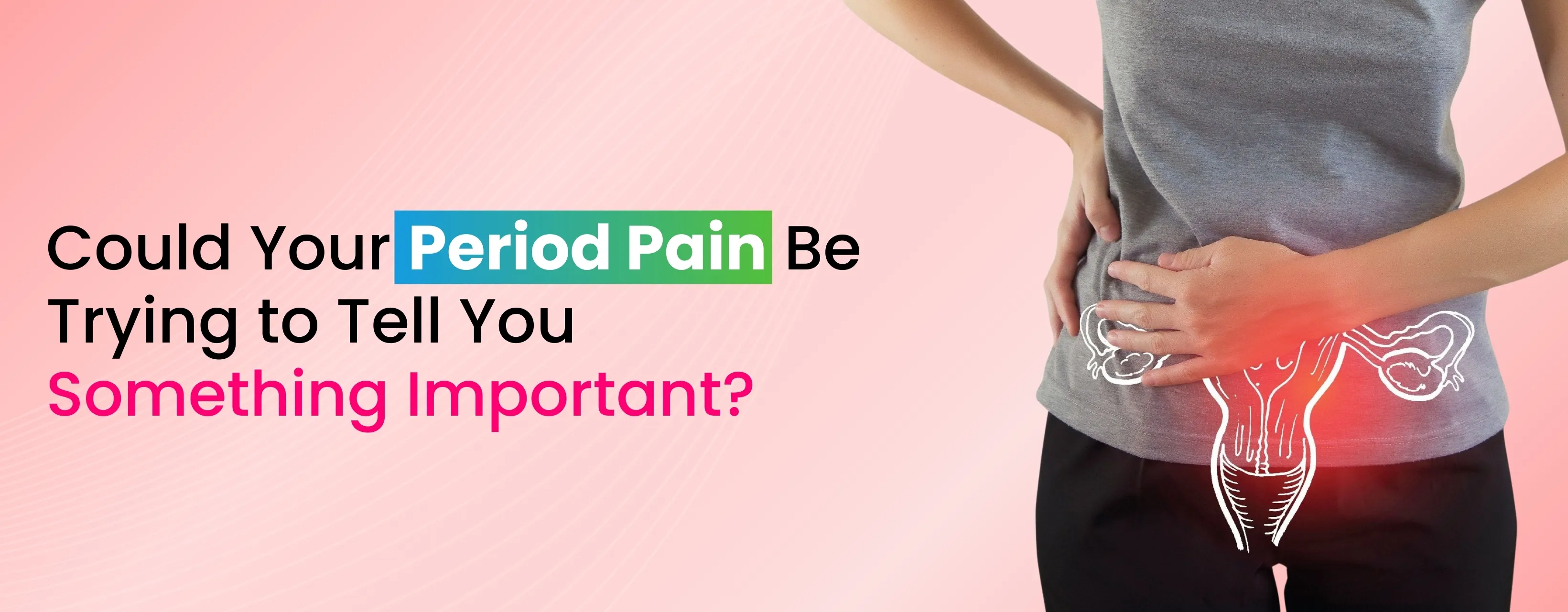
Could Your Period Pain Be Trying to Tell You Something Important?
Period pain is something many women experience, sometimes even dread, every month. Yet, cramps and discomfort often get written off as just part of being a woman. But what if your period pain actually serves as your body's way of trying to tell you something? What if those sensations you feel every month are not just aggravating but critical signals that should have your attention? By deciphering these messages, you open the doorway to taking responsibility for your health, enhancing your wellbeing, and even possibly averting complications later on.
In this article, we will delve deep into what your period pain can mean, the types of discomfort women have, lifestyle factors affecting your cycle, and when to seek professional care. Paying attention to a menstrual cycle is essentially reading your body's monthly health report card.
The Many Faces of Period Pain
Period pain, also medically known as dysmenorrhea, can vary in intensity, location, and type. Not all cramps are equal; different types of pain may indicate different things. Understanding these patterns helps you respond to, rather than ignore, your body's signals.
1. Sharp, stabbing cramps
Sharp, stabbing pains in the lower abdomen or pelvis are often due to inflammation in the uterus or tissues that surround it. This may emanate from many sources:
Endometriosis: This is a condition where tissue similar to the lining of the uterus grows outside it, causing significant pain. It’s often accompanied by pain during intercourse and heavy periods.
Infections: Infections of the reproductive system can cause inflammation that leads to sudden, sharp pains.
Hormonal Imbalances: Irregular levels of prostaglandins, the hormone-like compounds regulating uterine contractions, heighten uterine inflammation and increase pain intensity.
These types of cramps are usually more severe than the normal dull ache and may be accompanied by nausea, diarrhea, or fatigue.
2. Lower Back Pain
Lower back pain during menstruation is more common than many women realize. It may be related to:
Magnesium Deficiency: This mineral helps in the process of muscle relaxation. Its deficiency can increase the tension in the muscles and bring pain.
Muscle Spasm: A sedentary lifestyle, too much sitting, or bad posture aggravates back pain.
Stress: Chronic stress tightens muscles and heightens pain sensitivity, sometimes intensifying menstrual backaches.
More often than not, back pain is a harbinger that diet, posture, and the levels of stress are influencing menstrual health.
3. Mood Swings and Fatigue
Periods can also affect your emotional condition and the level of energy. Strong mood swings, irritability, and extreme fatigue are more than just a nuisance; they may be symptoms of:
Hormonal Changes: Estrogen and progesterone fluctuations affect neurotransmitters, including serotonin, related to mood and energy.
Blood Sugar Fluctuations: Low blood sugar or erratic ups and downs may lead to irritability, fatigue, and cravings.
Underlying Health Conditions: Such conditions as thyroid disorders can worsen these symptoms.
When mood changes and fatigue are severe, it becomes a pointer to reassess diet, lifestyle, and perhaps consult a health professional.
Pain Is a Message, Not Just an Annoyance
Pain is seldom meaningless. In the case of menstrual discomfort, your body is sending a message, in essence: Pay attention to me. Ignoring pain or merely camouflaging it with over-the-counter painkillers may offer temporary relief, but it allows underlying problems to persist or worsen.
You can identify patterns in your symptoms, such as intensity of cramps, location of pain, emotional state, and menstrual flow, which offer great insights into your reproductive health and overall well-being. This habit also allows you to know when it's time to consult a healthcare provider.
What Your Period Says About Your Health
Think of your menstrual cycle as your monthly health barometer. The minor changes may be undetectable, yet they can add up to bigger health concerns over time. By paying attention, you will enable yourself to take care of your body through preventive means. Here's what your period might be telling you:
1. Hormonal Imbalances
Changes in menstrual flow, irregular cycles, or worsening cramps can point toward hormonal imbalances such as:
Polycystic Ovary Syndrome (PCOS): Characterized by irregular periods, acne, weight gain, and sometimes excessive hair growth.
Thyroid Disorders: Hypothyroidism or hyperthyroidism may impact cycle length, flow, and symptoms.
Progesterone or Estrogen Deficiencies: These are associated with heavier bleeding or more painful periods.
It helps you monitor your cycle for these imbalances, which allows timely intervention.
2. Nutritional Deficiencies
Nutrition and menstruation go hand in hand. Inadequate intake of certain necessary vitamins and minerals may increase period pain.
Magnesium: Low levels of magnesium increase muscle tension and cramps. Leafy greens, nuts, and seeds are especially helpful.
Iron deficiency could lead to heavy bleeding, which often makes one feel tired and weak. The addition of iron-rich foods or supplements can help.
Vitamin B6: This vitamin regulates mood and, when deficient, can exacerbate PMS symptoms.
A well-balanced diet is not just for overall health; it directly influences how comfortable or uncomfortable your period is.
3. Reproductive Health Conditions
If the period pain is persistent or severe, it may denote some underlying reproductive problems, such as the following:
Endometriosis: Chronic pain, heavy bleeding, and fertility issues are all possible symptoms.
Fibroids: Noncancerous growths in the uterus can cause pain and abnormal bleeding.
Pelvic Inflammatory Disease (PID): Infections of the reproductive organs, if not treated, may lead to serious problems.
Early diagnosis of the conditions will prevent complications and improve the quality of life.
4. Stress and Lifestyle Factors
Chronic stress can exacerbate menstrual symptoms, including cramps, fatigue, and mood swings. It affects hormone levels, increases inflammation, and can even shorten or lengthen your menstrual cycle. Lifestyle factors of sleep, diet, and exercise significantly influence your cycle's regularity and comfort.
While some menstrual cramping is to be expected, many of the contributing factors respond well to lifestyle changes. By implementing healthy lifestyle habits, the severity of cramps can be diminished, mood can be improved, and overall well-being can be enhanced.
1. Get Quality Sleep
Aim for 7-9 hours each night.
Sleep regulates cortisol, or the stress hormone, and maintains a balance between your hormones.
Poor sleep worsens fatigue, mood swings, and pain sensitivity.
2. Manage Stress
Yoga and Meditation: These decrease muscle tension and quiet the nervous system.
Deep Breathing Exercises: Simple techniques can lower cortisol and alleviate physical discomfort.
Mindfulness Practices: Being aware of your body's signals can help you respond proactively.
3. Exercise Wisely
Physical activity increases blood flow and releases endorphins, the body's natural painkillers.
Exercising in tandem with your menstrual cycle can help maximize your workout benefits.
During menstruation: light yoga, walking, or stretching
Follicular phase: strength training and moderate cardio
Luteal phase: Lower-intensity workouts to accommodate PMS symptoms
4. Nutrition and Hydration
Magnesium-rich foods include spinach, almonds, pumpkin seeds, and dark chocolate.
Hydration: proper fluid intake reduces bloating and cramps.
Anti-inflammatory Foods: Fatty fish, turmeric, ginger, and berries help reduce uterine inflammation.
Balanced Meals: help stabilize blood sugar levels to prevent mood swings and fatigue.
5. Track Your Cycle
Use apps or journals to track pain levels, flow, and emotional shifts.
Tracking identifies any triggers and gives you an overview of your menstrual health.
When to See a Gynecologist
Mild to moderate cramping is often normal; however, here are some signs that mean one should see a specialist:
Pain that prevents daily activities such as work or exercise
Very heavy or irregular bleeding
Sudden worsening of symptoms or new types of pain
Suspected reproductive health conditions, like fibroids or endometriosis