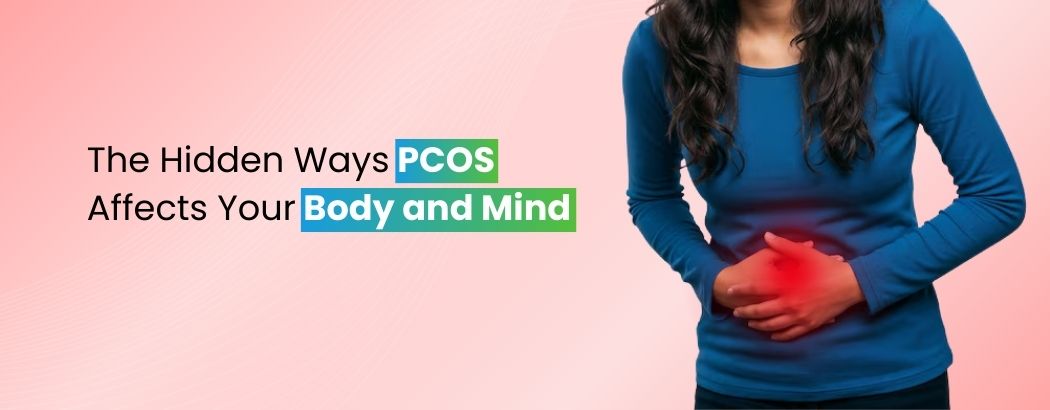
The Hidden Ways PCOS Affects Your Body and Mind
Polycystic Ovary Syndrome (PCOS) is one of the most common hormonal disorders affecting women worldwide. Despite its prevalence, it remains widely misunderstood. Most people associate PCOS simply with irregular periods, but the reality is far more complex. It can affect your skin, hair, weight, mood, fertility, and even long-term metabolic health.
This blog explores the hidden ways PCOS impacts your body and mind, why early diagnosis matters, and how proper medical guidance can help manage symptoms effectively.
1. Understanding PCOS
PCOS is a hormonal disorder where a woman’s ovaries produce higher-than-normal levels of androgens (male hormones). These hormonal imbalances can interfere with ovulation and cause multiple small cysts on the ovaries.
Key facts about PCOS:
-
Affects 5–10% of women of reproductive age
-
Common symptoms include irregular periods, acne, hair growth, weight gain
-
PCOS can increase the risk of diabetes, heart disease, and fertility challenges
Despite these medical implications, PCOS often goes undiagnosed because many symptoms are subtle or mistaken for lifestyle issues.
2. PCOS and Menstrual Health
Irregular periods are often the first sign of PCOS, but they are only the tip of the iceberg.
How PCOS Affects Your Cycle
-
Infrequent or missed periods
-
Heavy or prolonged bleeding
-
Painful cycles or cramping
-
Unpredictable ovulation
Why it matters: Irregular periods can affect fertility and increase the risk of endometrial hyperplasia, a condition where the uterine lining thickens abnormally.
3. The Impact on Skin
PCOS often manifests visibly on the skin. Hormonal imbalances, particularly elevated androgens, can lead to:
-
Acne (especially on the face, chest, and back)
-
Oily skin
-
Hyperpigmentation (dark patches, especially on the neck and underarms)
-
Skin tags
These skin changes can significantly affect self-esteem and emotional well-being, especially in adolescents and young women.
4. Hair-Related Changes
Hair issues are another hallmark of PCOS. Women may notice:
-
Hirsutism: Excessive hair growth on the face, chest, and back
-
Thinning scalp hair: Pattern similar to male hair loss
-
Brittle or dry hair
These changes can lead to social anxiety, self-consciousness, and stress, which can exacerbate other PCOS symptoms.
5. Weight Gain and Metabolic Concerns
Weight management is a common struggle for women with PCOS. Key factors:
-
Insulin resistance leads to increased fat storage
-
Difficulty losing weight despite diet and exercise
-
Fat accumulation around the abdomen
This not only affects confidence but also increases risk for type 2 diabetes, heart disease, and metabolic syndrome.
Table: Common PCOS Symptoms and Body Effects
| Symptom | Physical Impact | Emotional Impact |
|---|---|---|
| Irregular periods | Fertility issues, endometrial health | Stress, anxiety about family planning |
| Acne / oily skin | Visible blemishes, scarring | Reduced self-esteem, social withdrawal |
| Excessive hair growth | Unwanted facial/body hair | Self-consciousness, anxiety |
| Hair thinning | Hair loss on scalp | Emotional distress, low confidence |
| Weight gain | Abdominal fat, metabolic risk | Body image issues, depression |
| Mood swings | Irritability, anxiety | Strained relationships, low motivation |
6. Mood and Mental Health Implications
PCOS doesn’t only affect the body — it can have profound effects on the mind. Research shows:
-
Higher risk of anxiety and depression
-
Increased stress levels due to hormonal fluctuations
-
Emotional strain from appearance changes and fertility challenges
Why Emotional Care Matters
Women with PCOS often experience guilt or frustration over weight, skin, or hair issues. Recognizing that PCOS is a medical condition, not a personal failing, is critical for emotional health.
7. Fertility and Reproductive Health
PCOS can interfere with ovulation, making conception more difficult. Common fertility-related issues include:
-
Irregular or absent ovulation
-
Increased risk of miscarriage
-
Complications in pregnancy (gestational diabetes, preeclampsia)
Early intervention and hormonal management significantly improve the chances of a healthy pregnancy.
8. Lifestyle Factors and Management
Although PCOS has a hormonal basis, lifestyle plays a crucial role in symptom management.
Lifestyle Tips for PCOS
-
Balanced diet with low glycemic index foods
-
Regular exercise to improve insulin sensitivity
-
Adequate sleep and stress management
-
Avoiding smoking and excessive alcohol use
Even small changes can improve mood, weight, and skin health.
9. Medical Interventions and Treatments
PCOS management is multifaceted. Treatments are personalized based on symptoms and goals:
-
Hormonal therapies: Birth control pills, anti-androgens
-
Fertility treatments: Ovulation induction or assisted reproductive techniques
-
Metabolic management: Insulin-sensitizing medications
-
Cosmetic interventions: Acne treatments, hair removal, hair restoration
A holistic approach combining medical, cosmetic, and lifestyle strategies is often most effective.
Bullet Points: Hidden PCOS Effects You Might Not Know
-
Insulin resistance may appear before obvious weight gain
-
Mood swings can precede visible symptoms like acne or hair changes
-
Sleep disturbances are common but often overlooked
-
Long-term cardiovascular risks are significantly higher
-
Fertility issues may go undiagnosed until actively trying for pregnancy
10. Integrating Cosmetic & Health Care
Since PCOS affects skin, hair, and body composition, cosmetic care and medical care often overlap.
-
Treat acne and scarring to improve emotional well-being
-
Hair restoration for thinning or unwanted hair
-
Skin and body treatments alongside hormonal therapy
This integrated approach addresses both physical symptoms and emotional confidence.
11. Emotional Support and Counseling
Living with PCOS can be challenging. Emotional support is critical:
-
Counseling or therapy can help manage anxiety and depression
-
Support groups provide community and reduce feelings of isolation
-
Mindfulness and stress-relief techniques improve overall well-being
Remember: PCOS is not just a medical condition; it’s a life-long wellness challenge that affects both body and mind.
12. Why Early Diagnosis is Key
Many women live years with undiagnosed PCOS. Early diagnosis helps:
-
Prevent long-term metabolic complications
-
Improve fertility outcomes
-
Reduce the risk of severe acne or hair problems
-
Provide timely emotional support
Regular medical check-ups and specialist consultations are essential.
13. The Role of Expert Clinics Like Minnerva Clinic
At Minnerva Clinic, PCOS is approached holistically:
-
Gynecological evaluation for hormonal assessment
-
Cosmetic solutions for skin and hair issues caused by PCOS
-
Lifestyle and nutritional guidance
-
Fertility planning and support
This integrated approach ensures women receive personalized care that addresses both the physical and emotional impact of PCOS.
📌 Learn more and schedule a consultation here: https://www.minnervaclinic.com