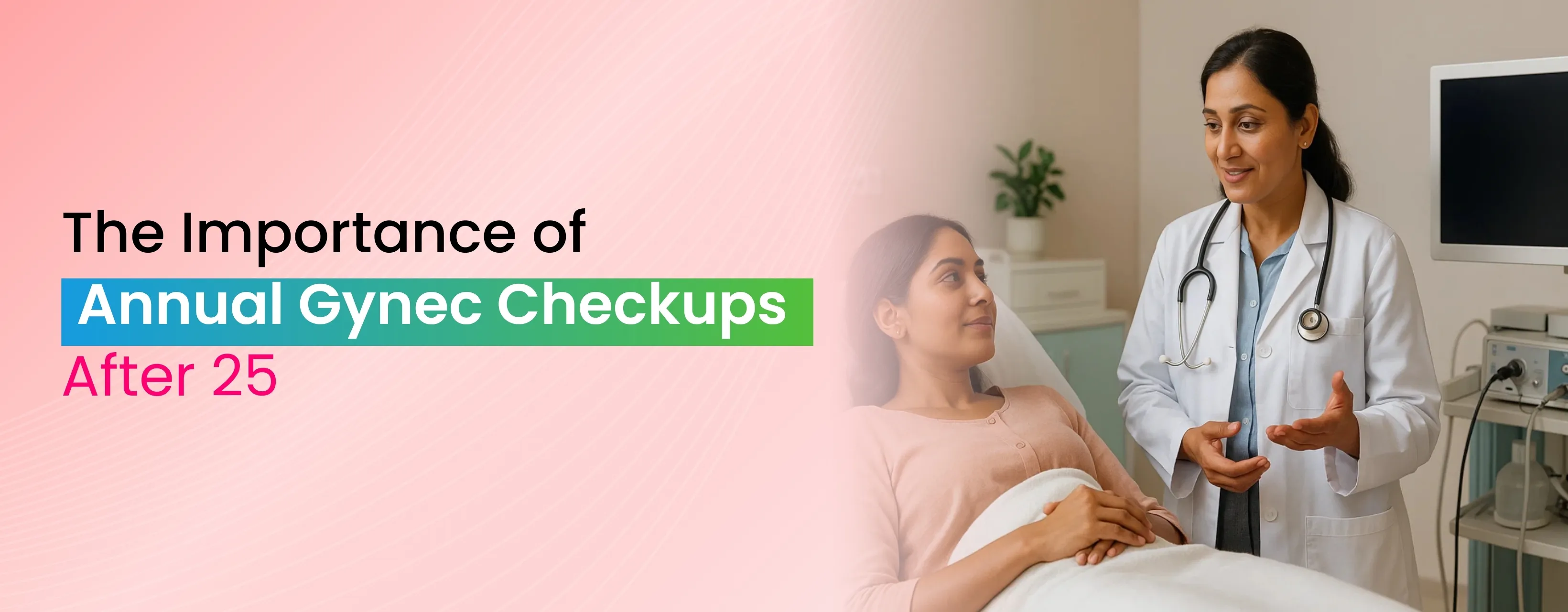
The Importance of Annual Gynec Checkups After 25
Taking care of your health becomes even more important once you cross 25. At this stage, your body goes through many hormonal, physical, and lifestyle changes. Whether you are working long hours, planning a family, or simply trying to maintain good health, an annual gynec checkup helps you stay ahead of potential problems.
Many women avoid routine checkups because they feel healthy or assume they do not need to visit a gynecologist unless something is wrong. The truth is, regular screenings catch issues early, prevent long-term complications, and give you a clear understanding of your reproductive health. A simple yearly appointment can protect your fertility, hormonal balance, and overall well being.
This guide explains why annual gynec visits after 25 are essential, what tests to expect, and how these checkups support your long-term health.
Why Annual Gynec Checkups Matter After 25
Even if you feel perfectly fine, your reproductive system may be experiencing changes you cannot see. A gynecologist helps you track these changes, identify risks early, and maintain good health.
Here is why these checkups become especially important after 25.
1. Early Detection of Common Gynec Problems
Many conditions like PCOS, fibroids, endometriosis, and infections do not show obvious symptoms in the early stages. An annual exam helps detect these issues early, when treatment is easier and more effective.
2. Helps Maintain Hormonal Balance
Your hormonal cycle changes as you grow older. Work stress, irregular sleep, unhealthy eating, and birth control can all affect your hormones. A gynecologist helps you understand these patterns and guides you on how to maintain balance.
3. Prevents Fertility Complications
Fertility concerns are increasing worldwide. Regular checkups help identify issues that may affect future pregnancy, such as irregular ovulation, thyroid imbalance, or blocked tubes.
4. Protects You from Silent Infections
Many sexually transmitted infections (STIs) show mild or no symptoms in the early stages. Untreated infections can cause pelvic inflammatory disease, infertility, and chronic pelvic pain. Annual screenings help catch and treat them early.
5. Supports Breast and Cervical Health
Women over 25 should start routine breast examinations and Pap smears. These tests can detect abnormal cell changes and reduce the risk of developing cervical cancer.
6. Keeps Period Health in Check
If you notice changes in your cycle such as heavy bleeding, skipped periods, or severe pain, your annual visit helps identify the cause. Your cycle is an important indicator of your hormonal and overall health.
7. Better Understanding of Sexual and Reproductive Health
A yearly checkup is a safe space to discuss concerns about contraception, sexual discomfort, vaginal infections, or planning a family.
8. Reduces Long-Term Health Risks
Conditions like diabetes, thyroid disorder, and obesity affect reproductive health significantly. Gynecologists can help track these changes and guide you toward the right lifestyle and treatment plan.
Key Tests Done During an Annual Gynec Checkup
An annual checkup usually includes:
-
Physical examination
-
Pelvic examination
-
Breast examination
-
Pap smear test
-
HPV test (if required)
-
Blood tests for hormones, thyroid, sugar levels
-
Ultrasound for uterus and ovaries
-
STI screening
-
Period and cycle evaluation
-
Fertility assessment (optional)
These tests help build a complete picture of your reproductive health.
Benefits of Making Gynec Checkups a Yearly Habit
1. Peace of Mind
When you know everything is normal, it reduces anxiety and keeps you confident about your body.
2. Preventive Care Saves Time and Money
Treating a condition early is always easier, cheaper, and safer than dealing with complications later.
3. Smooth Family Planning
If you plan to conceive in the future, routine checkups give you clarity about your fertility health.
4. Better Lifestyle and Diet Guidance
Gynecologists help create lifestyle routines that support hormonal balance, skin health, weight management, and better cycles.
5. Stronger Immunity and Overall Wellness
Healthy reproductive organs, balanced hormones, and early screenings help maintain better long-term health.
Table: What Your Gynec Checkup Covers After 25
|
Health Area |
What is Checked |
Why It Matters |
|
Menstrual Health |
Cycle length, flow, pain levels |
Detects PCOS, thyroid issues, and hormonal imbalance |
|
Reproductive Organs |
Uterus, ovaries, cervix |
Identifies fibroids, cysts, infections, and early cancer signs |
|
Hormonal Profile |
Thyroid, insulin, reproductive hormones |
Helps treat weight gain, acne, mood swings, and infertility |
|
Cervical Health |
Pap smear, HPV test |
Detects abnormal cells, reduces the risk of cervical cancer |
|
Breast Health |
Lump check, tenderness |
Helps identify early breast changes |
|
Sexual Health |
STI tests, vaginal exams |
Prevents infections and long-term complications |
|
Fertility Health |
Ovulation tracking, ultrasound |
Helps with future family planning |
|
Lifestyle Assessment |
Weight, stress, diet |
Supports long-term hormonal and reproductive health |
Signs You Should Not Delay Your Gynec Visit
Even if your last checkup was recent, book an appointment if you notice:
-
Unusual vaginal discharge
-
Pain during intercourse
-
Irregular or missed periods
-
Heavy bleeding or clots
-
Sudden weight gain or loss
-
Excess facial hair or severe acne
-
Strong pelvic or lower abdominal pain
-
Breast lumps or nipple discharge
-
Frequent urinary infections
-
Difficulty conceiving after months of trying
Early consultation helps prevent complications.
How to Prepare for Your Annual Checkup
-
Track your menstrual cycle dates
-
Note any unusual symptoms
-
Avoid scheduling the visit during periods
-
Wear comfortable clothing
-
Avoid intercourse 24 hours before the checkup
-
Carry your previous medical reports if you have any
What to Expect During the Visit
-
A discussion about your medical history
-
Questions about your cycle, lifestyle, and symptoms
-
Pelvic and breast examinations
-
Recommended tests based on your age and symptoms
-
Guidance on lifestyle, diet, and contraception
Why It Matters More for Women With Busy Lifestyles
Women between 25 and 40 are often juggling work, family responsibilities, and personal goals. Stress, irregular sleep, processed meals, and lack of physical activity can trigger hormonal changes. These changes may silently affect your fertility, skin, weight, mood, and metabolism.
A yearly checkup acts like a reset button. It helps detect the impact of stress and lifestyle on your reproductive health so you can make early changes.
The Long-Term Impact of Regular Gynec Checkups
Visiting a gynecologist annually helps you build a long-term health plan. It protects you against future complications, ensures reproductive wellness, and supports emotional health. Over time, these checkups also help:
-
Maintain regular periods
-
Reduce the risk of major diseases
-
Improve pregnancy outcomes
-
Treat hormonal issues early
-
Strengthen overall immunity
-
Promote healthy aging
Your reproductive health affects every part of your life.