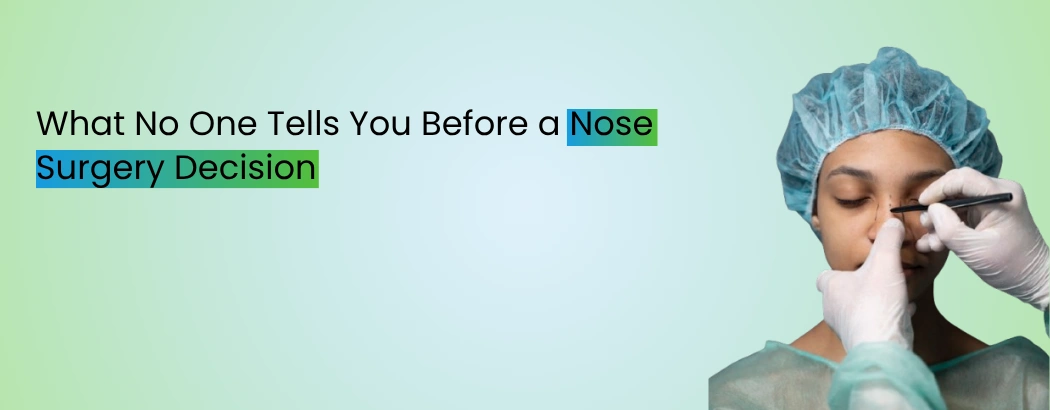
What No One Tells You Before a Nose Surgery Decision
A nose surgery decision often begins with a simple thought in front of a mirror or a photo. Maybe the nose feels too prominent, slightly crooked, or not in harmony with the rest of the face. Over time, this thought can turn into research, comparisons, and eventually the idea of surgery.
Most people entering this journey already know the basics. They know it can refine shape, improve balance, and enhance facial harmony. What they are usually not prepared for are the less discussed, real-life aspects that come before and after the procedure.
This guide explains the important realities that are often overlooked so you can make a more informed and confident decision.
The Decision Is More Emotional Than It Looks
On the surface, nose surgery may seem like a purely physical change. In reality, the decision is deeply emotional for most people.
Many individuals do not dislike their entire face. Instead, they focus on one feature they believe draws attention. This creates a long internal debate that can last months or even years before consultation.
What is often missed is that emotional readiness matters as much as physical suitability. Some people seek surgery to feel more aligned with their appearance, while others may be reacting to external comments, comparisons, or social pressure.
Understanding your motivation clearly is one of the most important steps before moving forward.
Small Changes Can Feel Big After Surgery
One of the most surprising experiences after nose surgery is how noticeable even subtle changes feel in daily life.
The nose is a central facial feature. Even a minor refinement can change how the entire face is perceived. While this is often the goal, it can also take time for the mind to adjust.
In the early phase, some people feel excited and satisfied. Others may feel unfamiliar with their reflection for a short period. This adjustment phase is normal and usually improves as healing progresses.
The key point is that psychological adaptation is part of the process, not just physical healing.
Swelling Takes Longer Than Expected
A common misconception is that final results appear quickly. In reality, swelling follows a gradual timeline.
Initial changes are visible within weeks, but subtle swelling can persist for months. In some cases, the final refined result becomes more apparent only after the nose fully settles.
During this time, the nose may look uneven or slightly different from what was expected. This does not usually indicate a problem, but part of normal healing.
Patience during this phase is essential, as premature judgment can lead to unnecessary concern.
The First Look Is Not the Final Look
Many people assume the early post-surgery appearance reflects the final outcome. This is not accurate.
In the initial weeks, the nose is influenced by swelling, healing tissues, and temporary stiffness. The shape continues to evolve as internal healing progresses.
It is common for the nose to go through small visual changes during recovery. The true refinement becomes visible only after the tissues fully settle.
Understanding this helps prevent unrealistic expectations during early healing stages.
Breathing Changes Can Take Time
While nose surgery is often associated with cosmetic improvements, breathing is also an important aspect for many individuals.
What is less known is that breathing comfort may fluctuate during the healing period. Temporary congestion or internal swelling can make breathing feel different in the early stages.
Over time, as healing progresses, most people experience improvement or stabilization. However, any functional concerns should always be discussed during planning and follow-up.
The Nose Is Connected to Overall Facial Balance
A key insight that many people discover only after consultation is that nose surgery is not just about the nose itself.
Even small adjustments can influence how other facial features appear. The chin, lips, eyes, and jawline can all look slightly different once nasal proportions change.
This is why surgical planning focuses on facial harmony rather than isolated changes. The goal is not just to reshape the nose but to create balance across the entire face.
Perfection Is Not the Goal
One of the most important truths in nose surgery is that perfection is not realistic.
Every face has natural asymmetry. Even after surgery, subtle differences may still exist. The aim is improvement, not absolute perfection.
The most satisfying outcomes are usually those that look natural, proportionate, and consistent with the rest of the facial structure.
When expectations are realistic, satisfaction levels tend to be significantly higher.
Lifestyle Factors Influence Recovery
Recovery is not only about time. Daily habits also play a role in healing.
Sleep position, physical activity, diet, and even stress levels can influence recovery comfort. Avoiding pressure on the nose and following post-care instructions helps support smoother healing.
Many people underestimate how much small lifestyle adjustments contribute to final results.
Social Reactions Can Be Unexpected
Another less discussed aspect is how others respond after surgery.
Some people notice the change immediately, while others may not recognize it directly but comment that you look refreshed or different in a positive way.
Interestingly, subtle results often receive the most natural reactions because they blend into your overall appearance rather than standing out as an obvious change.
Confidence Does Not Come From Surgery Alone
Many people expect that changing one feature will automatically transform confidence. While appearance can influence self-image, confidence is shaped by many factors.
Surgery may help you feel more comfortable with your appearance, but emotional well-being, self-acceptance, and lifestyle still play a major role.
The most balanced outcomes are experienced by individuals who view surgery as enhancement, not transformation of identity.
Frequently Asked Questions
Is nose surgery very painful?
Most people describe the procedure as manageable, with discomfort mainly during early recovery rather than severe pain.
How long does it take to see final results?
Initial changes appear within weeks, but final refinement can take several months as swelling fully settles.
Will my face look completely different?
The goal is improvement in harmony, not a completely different face. Changes are usually subtle and natural-looking.
Can I choose exactly how my nose will look?
The final result depends on facial structure, skin type, and healing. Planning is customized, but exact replication is not possible.