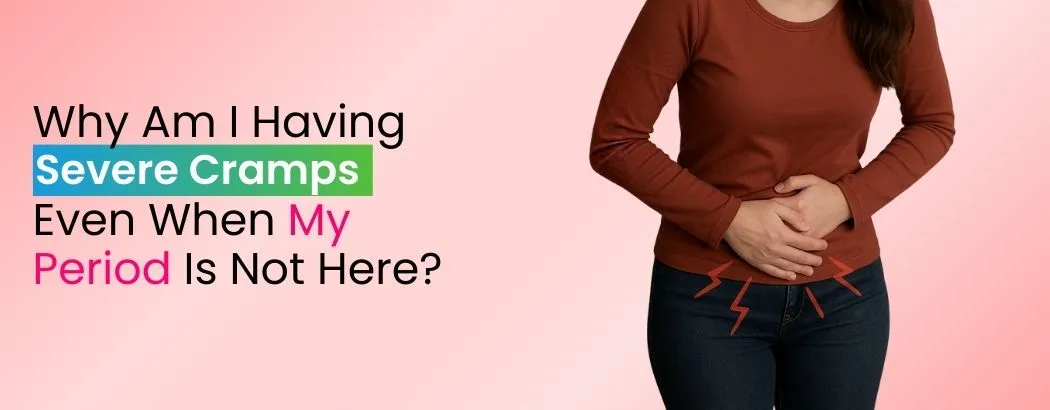
Why Am I Having Severe Cramps Even When My Period Is Not Here?
Why Am I Having Severe Cramps Even When My Period Is Not Here?
Pelvic cramps are usually associated with your monthly cycle, so when they show up out of nowhere, it can be confusing and even a little scary. Many women start searching online because they want to understand whether this pain is normal or something that needs medical attention. The truth is, period-like cramps outside your cycle can happen for several reasons. Most of them are manageable, but some do require a gynecologist’s evaluation.
This guide explains the real causes behind non-period cramps, how to tell what is normal, and when you should see a doctor.
What Exactly Are Non-Period Cramps?
Non-period cramps feel similar to menstrual pain but occur when you are not bleeding. They can show up as:
-
Dull pelvic ache
-
Sharp, sudden twinges
-
Lower back pain
-
Pressure or heaviness in the pelvis
-
Pain that radiates to the thighs
The intensity can vary. Some women feel mild discomfort, while others experience cramps strong enough to disturb their daily routine.
Common Reasons You Might Have Cramps Without a Period
Here are the most frequent causes women experience.
1. Ovulation Pain
Around the middle of your cycle, your ovary releases an egg. This can cause mild to moderate cramping on one side of your lower abdomen. It usually lasts a few hours to one day. Some women never feel it, while others experience it every month.
Clues:
-
Happens around day 12 to 16 of your cycle
-
Pain is usually on one side
-
No other symptoms
2. Hormonal Fluctuations
Your hormones do not stay constant throughout your cycle. Even if you are not on your period, shifting levels of estrogen and progesterone can trigger cramps.
Common triggers:
-
High stress
-
Sudden weight changes
-
Sleep disturbances
-
Thyroid imbalances
Hormonal changes can also make your cycle irregular, which means your body may think your period is coming even when it is not.
3. Early Pregnancy
One of the earliest signs of pregnancy is mild cramping. It happens because the fertilized egg attaches to the uterine wall, causing slight stretching and discomfort.
Other possible signs:
-
Missed period
-
Breast tenderness
-
Nausea
-
Light spotting
If there is a chance you could be pregnant, consider taking a test.
4. Implantation Cramps
These are specific cramps that occur 6 to 12 days after conception. They are usually mild and may be accompanied by very light spotting.
5. Ovarian Cysts
Many women develop small, harmless cysts during their cycle. Most resolve on their own, but some grow larger and begin to cause cramping, bloating, or pain during intercourse.
Symptoms to watch:
-
Pain on one side
-
Feeling full or bloated
-
Sudden sharp pain if a cyst ruptures
6. Pelvic Inflammatory Disease (PID)
PID is an infection of the reproductive organs and is a common cause of chronic pelvic cramps.
Warning signs:
-
Irregular bleeding
-
Vaginal discharge
-
Fever
-
Pain during intercourse
PID requires medical treatment to prevent long-term complications like infertility.
7. Urinary Tract Infection
A UTI doesn’t always cause burning during urination. Many women experience lower pelvic cramps that feel similar to period pain.
Other symptoms:
-
Frequent urge to urinate
-
Cloudy or strong-smelling urine
8. Constipation or Gut Issues
The intestines sit close to the uterus. Severe constipation, gas, or bloating can push against the uterus and create cramp-like discomfort.
9. Endometriosis
This condition causes tissue similar to the uterine lining to grow outside the uterus. It can lead to intense cramps at any time of the month, not just during periods.
Typical signs:
-
Painful periods
-
Pain during intercourse
-
Heavy bleeding
-
Chronic pelvic pain
Endometriosis is often underdiagnosed, so persistent pain should not be ignored.
10. Fibroids
These are noncancerous growths in the uterus. Depending on their size and location, they can cause cramps, pressure, back pain, or heavy bleeding.
11. Stress and Anxiety
You may not realize it, but emotional stress can cause physical tension in the pelvic muscles. This tension can feel like cramping.
12. Post-Workout Pelvic Muscle Strain
If you recently exercised, especially in activities that engage the core or hips, your muscles may be sore. This soreness sometimes mimics menstrual cramps.
How to Understand Whether Your Cramps Are Normal
Consider these questions:
-
Is the pain mild and short-lived?
-
Does it happen around mid-cycle?
-
Are there no other concerning symptoms?
If yes, it may be normal ovulation or hormonal discomfort.
But consider seeing a doctor if:
-
The pain is severe or worsening
-
It lasts more than two or three days
-
You have fever, unusual discharge, or nausea
-
Your cycle has suddenly become irregular
-
Pain happens frequently throughout the month
-
You think you might be pregnant
Persistent cramps are your body's way of signaling that something needs attention.
What You Can Do at Home to Ease the Pain
A few simple steps can reduce discomfort:
-
Use a warm water bottle on the lower abdomen
-
Stay hydrated
-
Reduce caffeine for a few days
-
Do light stretching or yoga
-
Take over-the-counter pain relievers if needed
-
Track your cycle to identify patterns
If the cramps keep returning, maintaining a symptom diary helps your gynecologist identify the root cause faster.
When You Should Not Wait
Seek immediate medical care if you experience:
-
Sudden severe pain on one side
-
Fainting or dizziness
-
Heavy bleeding
-
Pain with fever
-
A suspected ruptured ovarian cyst
-
Possible ectopic pregnancy
These situations require prompt evaluation.
What a Gynecologist Will Usually Check
During a consultation, your doctor may:
-
Review your menstrual history
-
Do a pelvic exam
-
Recommend an ultrasound
-
Order hormone or thyroid tests
-
Check for infections
Treatment depends completely on the diagnosis. Most causes are treatable with medication, lifestyle changes, or simple procedures.
Final Thoughts
Non-period cramps can be unsettling, but they are often linked to natural hormonal changes or minor issues. At the same time, they can sometimes be early signs of conditions that need timely care. Listening to your body and seeking help when something feels off is always the right step.
If your cramps keep coming back, feel unusually severe, or are affecting your daily life, getting a professional evaluation can give you clarity, peace of mind, and the right treatment.