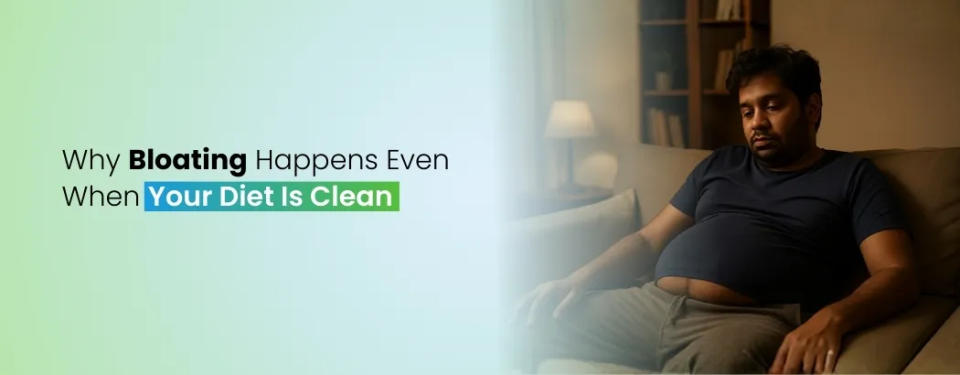
Why Bloating Happens Even When Your Diet Is Clean
Many women assume bloating is caused only by eating fried food, processed items, or too much salt. But bloating can happen even on a diet filled with salads, fruits, home-cooked meals, and clean ingredients.
This is because bloating is less about food quantity and more about:
-
How your body digests
-
How your hormones fluctuate
-
How your gut bacteria behave
-
How your stress impacts your organs
-
How your metabolism responds
Let’s go deeper into what’s happening inside your body.
1. Hidden Hormonal Imbalances
Your hormones control your digestion, metabolism, appetite, and fluid retention. Even small imbalances can cause significant bloating.
Common hormonal reasons include:
Estrogen dominance
High estrogen makes your body retain water, especially around your stomach.
You feel heavier, fuller, and puffier even after light meals.
Low progesterone
Progesterone naturally relaxes the muscles of your digestive tract. When it drops, digestion slows down, causing gas buildup and bloating.
High cortisol (stress hormone)
Too much stress increases inflammation in the gut, slows digestion, and triggers bloating.
Thyroid issues
A slow thyroid reduces digestion speed and leads to constipation, water retention, and chronic bloating.
Inside your body:
Your hormones are constantly fluctuating. When the balance goes off, your gut becomes sluggish, food breaks down slowly, and gas accumulates.
This is why you may feel bloated even after eating a simple salad.
2. Gut Bacteria Imbalance (Even When Eating Healthy)
Your gut contains billions of bacteria that help break down food. When this balance is disturbed, bloating becomes a daily companion.
Even healthy foods like:
-
Beans
-
Broccoli
-
Cabbage
-
High-fiber fruits
-
Dairy
-
Fermented foods
It can cause bloating if your gut bacteria are not balanced.
Inside your body:
When bad bacteria grow more than good bacteria, fermentation increases. This fermentation produces gases that expand your stomach and cause bloating.
Many women blame food, but the real issue is the gut environment.
3. Slow Digestion (Common in Women)
Women naturally have a slower digestive system than men because:
-
Hormones change every month
-
Stress responses are different
-
Gut motility reduces during PMS
-
Estrogen and progesterone influence digestion
Slow digestion means food sits in your system longer.
The longer food stays, the more gas your body produces.
This leads to:
-
Swelling
-
Pressure
-
Fullness
-
Discomfort
Even with a clean diet, digestion must work efficiently to avoid bloating.
4. Period Cycle Effects
Your menstrual cycle affects your digestion more than you think.
During the luteal phase (after ovulation):
-
Progesterone rises
-
Digestion slows
-
Gas increases
-
Water retention goes up
During PMS:
-
Estrogen fluctuates
-
Cravings increase
-
Bloating becomes visible
During periods:
-
Hormones shift suddenly
-
Digestive sensitivity increases
Even healthy meals can cause bloating during certain phases of your cycle because your digestive system is under hormonal influence.
Inside your body:
Your uterus and intestines lie close to each other. Hormonal fluctuations cause swelling in both areas, making your belly feel bloated.
5. Constipation and Irregular Motions
Many women do not realize they are constipated because they assume constipation means “not going to the toilet for days”.
But constipation also includes:
-
Hard stool
-
Straining during motions
-
Feeling incomplete after using the bathroom
-
Going only once every 2 days
Even with a clean diet, if your gut is not moving regularly, bloating becomes constant.
Inside your body:
Stool buildup produces gas, puts pressure on your intestines, and slows digestion further.
6. Stress and Anxiety
Your gut and brain are connected through the gut-brain axis.
This means your mood directly affects your digestion.
When you are stressed:
-
Your gut muscles tighten
-
Digestion slows
-
Stomach acid reduces
-
Inflammation increases
-
Gas gets trapped
This is why many women feel bloated during work stress, emotional situations, or anxiety phases.
Inside your body:
Stress signals travel from your brain to your stomach, telling it to slow down digestion. The result is bloating even with light meals.
7. Food Intolerances You Don’t Know About
Many women unknowingly eat foods their bodies are sensitive to.
This is different from a food allergy.
Common intolerances include:
-
Dairy
-
Gluten
-
Artificial sweeteners
-
Certain fruits like apples or pears
-
High-fiber vegetables
-
Soy
These foods do not cause immediate reactions. Instead, they trigger:
-
Gas
-
Swelling
-
Discomfort
-
Fullness
Even clean eating cannot stop bloating if your body does not tolerate certain ingredients.
8. Eating Too Fast or Eating Healthy Wrong
Healthy food helps, but how you eat matters too.
Bloating can happen when:
-
You eat too fast
-
You chew poorly
-
You drink too much water during meals
-
You eat large portions
-
You mix too many fiber-heavy foods in one meal
Inside your body:
Eating fast traps air inside your stomach.
Eating too much fiber at once overloads digestion.
Eating large salads or raw vegetables can be hard to break down.
All these lead to bloating, even when meals are healthy.
9. Not Drinking Enough Water
Many women drink less water without realizing it.
When hydration is low:
-
Digestion slows down
-
The stool becomes dry
-
Constipation increases
-
Gas builds up
Your stomach feels swollen because digestion cannot run smoothly without adequate fluids.
10. Underlying Health Issues That Stay Hidden
Some women experience chronic bloating due to medical conditions like:
-
PCOS
-
Thyroid imbalance
-
Fibroids
-
Endometriosis
-
IBS
-
SIBO
-
Candida overgrowth
These conditions affect hormones, gut health, and digestion.
Inside your body:
Inflammation, cyst formation, hormonal swings, or tissue growth near the uterus can all cause digestive issues and visible bloating.
What Your Body Is Actually Trying to Tell You
Persistent bloating is not random.
It is a sign that something inside your system needs balance or attention.
Your body is saying:
-
Your hormones need support
-
Your gut bacteria need resetting
-
Your digestion needs time
-
Your stress levels are too high
-
Your cycle is influencing your stomach
-
Your metabolism is slowing
-
Your diet needs personalization
Once these internal issues are addressed, bloating naturally reduces.
How to Reduce Bloating Even When You Eat Clean
Here are practical steps that actually make a difference.
1. Track your hormonal cycle
Notice which days bloating is worse.
This helps identify hormonal patterns.
2. Improve your gut bacteria
Add:
-
Probiotics
-
Yogurt
-
Fermented foods
-
Prebiotics
-
High-fiber fruits
Reduce:
-
Too much sugar
-
Fried foods
-
Processed carbs
3. Eat slowly
Chew well.
Avoid rushing meals.
Your gut will thank you.
4. Reduce raw vegetables
Lightly cook vegetables instead of eating everything raw.
5. Stay hydrated
Drink enough water throughout the day, not only during meals.
6. Manage stress
Deep breathing, short walks, music, or journaling can help relax the digestive system.
7. Add light movement
Walking after meals improves digestion and reduces gas.
8. Get tested
Check for:
-
Thyroid
-
PCOS
-
Vitamin D
-
B12
-
Food intolerances
These levels have a huge impact on bloating.
9. Avoid overeating healthy foods
Even too much salad, fruit, or nuts can cause bloating.
10. Consult a gynecologist if your bloating comes with:
-
Period issues
-
Pelvic pain
-
Sudden weight gain
-
Severe fatigue
Hormonal diagnosis can bring instant clarity.